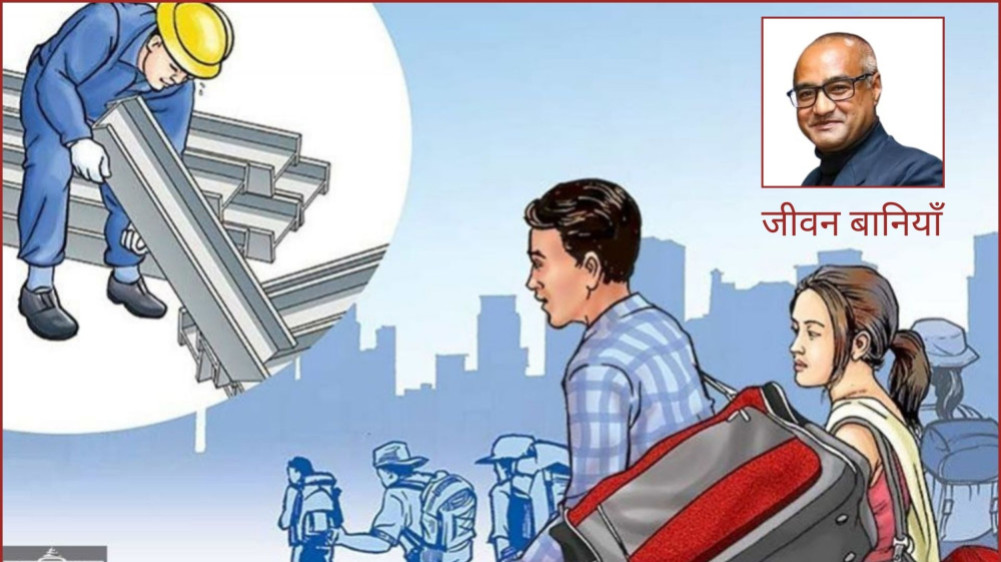
In many Arab states, migrant domestic workers are not included in national labor laws. In the countries of the Gulf, the freedom and fundamental rights of women in their own countries are limited, while guaranteeing the rights of immigrant women has become more challenging.
We use Google Cloud Translation Services. Google requires we provide the following disclaimer relating to use of this service:
This service may contain translations powered by Google. Google disclaims all warranties related to the translations, expressed or implied, including any warranties of accuracy, reliability, and any implied warranties of merchantability, fitness for a particular purpose, and noninfringement.
Globally, domestic work is said to occupy about 12 percent of the total employment and in most countries of the Gulf, domestic work occupies about a fifth and a quarter of the labor force, in which the number of female domestic workers is significantly higher than that of men, while almost all of them are migrant workers.
Most of the migrant domestic workers in the Arab states are from Asian and African countries such as Sri Lanka, the Philippines, Bangladesh, Nepal, India and Ethiopia. A large number of women, especially from Indonesia and the Philippines, have gone there as domestic workers . Employment in the care sector, including domestic work, is estimated to continue to grow in the Gulf countries. There has been a high demand for domestic domestic workers over the past few decades And the number is increasing. Male domestic workers mainly work as gardeners and drivers, while women are involved in taking care of babies and the elderly, cooking, cleaning and washing.
Every year, 50-80 thousand female sisters from Nepal go to other countries besides India for foreign employment. Although there is no definite number, it is said that the rate is the same even if we count the number of people who go for employment without obtaining a work permit or with other visas. In 2077, the Parliamentary Committee on International Relations and Labor Committee of the Parliament gave 7 points of instructions to impose restrictions and to send workers only after making an agreement to guarantee security. Under which labor contracts must ensure the basic labor rights of workers including wages, holidays, social security, occupational safety and health, working hours, insurance, extra work facilities, a strong and effective bilateral mechanism for solving problems and solutions, training for those who work as domestic workers and in the language of the respective country. and the basic knowledge of culture and customs should be acquired, there should be provision for mandatory training before starting work after arriving in the respective country, and seventhly, there should be provision for domestic workers to be able to easily contact their families and embassies. And there were issues such as there should be a separate legal arrangement regarding the facilities and there should be equal treatment between the destination country and Nepali workers in the same work and there should be a provision for legal action against the victim in case of violence among the workers which could not be implemented easily.
Therefore, after meeting these conditions, Nepali domestic workers in Gulf countries were not able to go through the legal route and still not.
However, Nepalis, especially women, have gone to various Gulf countries as domestic workers and they are more than 60,000. It has been made public through Nepali missions. Neither those policies have been effective, nor have the risks of domestic workers reduced during the recruitment process, employment and return home. Instead, they are more at risk. They are deprived of the basic right to the protection and support of the state and to get employment.
Most of the women who have gone to work abroad are married and have children, and one of the main reasons why they migrate is because of financial problems in the family. With limited options in Nepal's labor market, there is little access to employment and quality work. They Employment insecurity is high if engaged in low and irregular income and informal employment.
In the labor market, various structural barriers and gender discrimination continue to pose challenges in finding decent work. Even in Nepal, women are often forced to engage in traditional, unpaid and domestic work. In addition to the country's labor market conditions, political, socio-economic, and cultural norms, family obligations and gender relations, and environmental changes and various disasters and crises also lead to domestic work.
In the same way, some women have gone to work abroad for personal freedom and freedom from marital and family discord neglect, abuse and exploitation.
In addition to contributing to the country's gross domestic product, the remittances obtained from successful foreign employment have made it possible to reduce poverty in households, increase the access of poor families to education and health services, and enable families to meet their daily needs. According to some studies before this, there are facts that women save more than Nepali men in terms of savings from salary from foreign employment and they invest in the health and education of children especially in repatriate families.
At the same time, what is ironic is that Nepali women go to work abroad for the improvement of the financial condition of the house and for the education of their children and for the future. They have had to leave or some have been discouraged from going to work abroad again.
After foreign employment, leadership and self-confidence also increase in them. In some cases, female members are economically or otherwise capable from overseas employment and after returning, conflicts within the family have also increased . Our society is proud of their children even if they go to do domestic work in the developed countries of America, Europe and Asia. But still in the Gulf countries, women's foreign employment for domestic work is not taken positively, which makes it another challenge for them to stay together in society and family after they return from foreign employment. is also .
Nepalese demand for domestic labor and the main challenges of domestic workers in the Gulf countries
Joint technical committee meetings, bilateral or regional and international discussions, United Nations Emirates, Lebanon, Qatar and Bahrain have improved some immigration and immigration policies to protect domestic labor They submit arguments and have been proposing it as a major agenda for some years to facilitate and negotiate the sending of laborers to Nepal for domestic work.
Even though they could not be effectively implemented, especially since 2017, Bahrain, Kuwait, United Arab Emirates and Qatar have also made institutional reforms to improve the recruitment process and wage protection for domestic workers. Following the adoption of the International Labor Organization (ILO) Convention on Decent Work for Domestic Workers 189, advocacy and initiatives by trade unions and human rights groups and international organizations have also played a role.
Now it seems that whether or not Arab women work in their country depends on whether they have foreign domestic workers. Therefore, domestic workers are not only linked to the welfare of the citizens of those countries, but also to economic and social development. On the one hand, there is a situation where foreign domestic workers are unavoidable, while the movement of citizens from other countries has a great political risk and social impact, including cultural, child rearing, linguistic and traditional issues, national identity, and so on. For example, the number of foreign domestic workers in the UAE is said to be the same as the domestic population.
Perhaps the problems and challenges discussed here are mostly faced by all the immigrants, but unlike in the industry, construction, agriculture and service sectors, domestic work is often limited to private places and without colleagues, so domestic workers face more risks and challenges.
According to the findings of a study, more than half of Filipino and Indonesian women working as migrant domestic workers in the Arab Gulf states have been victims of at least one form of abuse. Various other studies and experiences have shown that domestic workers in those countries are at high risk of exploitation (physical and mental), abuse, restrictions on movement, excessive and long working hours, not paying wages on time, and not getting enough food on time . There are still situations where employers confiscate domestic workers' passports and residence permits, restrict any movement outside the home, and deny them days off.
Some have been subjected to physical and mental abuse and rape and some have committed suicide. When sick, there is a situation where they do not get treatment or only get pain relievers. Every year, thousands of domestic employers run away because the workplace is not safe or decent. Being at risk of exploitation and abuse, or even being at risk, is restricted from using personal phones and other communications and is unable to get immediate help.
Similarly, differences in language, culture and lifestyle have caused domestic workers to have poor relations with their employers and their families and cause other problems. The home and workplace and society of domestic workers are completely different from the environment of Nepal they reach those countries. Not being able to get used to working and living in a new environment also causes many problems. Similarly, some studies have shown that families with many children are at higher risk of abuse. In the initial period, they are not familiar with the modern appliances used in the kitchen and other modern appliances at home, and it is difficult to maintain good relations with employers and family members.
The police have taken action against some of the domestic workers for violating the housing or cultural rules even though they were ignorant or made a mistake in their behavior. Likewise, when the employer does not renew the work and residence permit, they are at risk of being unregistered and arrested, detained and deported. Some domestic workers have been injured or killed by falling from tall buildings while trying to escape from unsafe and exploitative conditions.
In many Arab states, migrant domestic workers are not included in national labor laws. In the countries of the Gulf, the freedom and fundamental rights of women in their own countries are limited, while guaranteeing the rights of immigrant women has become more challenging. In some countries, the kafala system still exists in law or in practice, so that the workers are completely under the control of the sponsor (Kafil), and in case of exploitation or problems, there is no way to escape from that situation or leave the job or immediately return home. The issue of access to justice has become a very different matter. Under the Kafala law, domestic workers have been charged with a criminal offense when they leave their workplace because of abuse within their employer's home.
What is Nepal's preparation?
Before Nepal decides to send domestic workers to any country in the Gulf, it has to create a bilateral mechanism to address the above-mentioned challenges and implement it effectively. But the sufficiency of various preparations, the government of Nepal, especially the diplomatic missions of Nepal, should review and analyze how much they have not been able to do to protect labor and human rights of Nepali workers. The fact that Nepal is still not able to protect Nepali workers and their labor and human rights is clear, and again we are sending domestic workers to Gulf countries starting with the pilot project. Complaints that our diplomatic missions in countries like Kuwait have to rescue at least 1 domestic worker every day. It is higher than that. It is because of these experiences that in the past, whether it is interaction with the parliamentary committees or discussions with the Prime Minister, the representatives of our diplomatic missions keep suggesting that domestic workers should not be released.
The Ministry of Labor, Employment and Social Affairs will advance the agreement to send Nepalis as domestic labor, but there are instances where the necessary resources are not available in the diplomatic mission under the Foreign Affairs or there is no necessary coordination between the ministry and the Ministry of Home Affairs and the Ministry of Finance. Although there are labor assistants/councils of the Ministry of Labor, Employment and Social Security, the responsibility of dealing with the problems of workers abroad in a diplomatic manner is through the diplomatic mission of the Ministry of Foreign Affairs. Therefore, the Ministry of Foreign Affairs should also play an active role in the preparation of labor contracts and the creation of mechanisms with the Ministry of Labor for the immigration of domestic workers and the protection of the rights of the three. happens.
Domestic Workers Convention 2011 (No. 189) was created to ensure the respect of domestic labor and the respect, promotion and protection of the basic rights of workers. Neither Nepal nor Gulf countries are party countries, so legally these countries are responsible for the human rights and labor rights of domestic workers. It's hard to make. When Nepal is preparing standards or conditions for labor contracts or agreements on its own behalf, of course, according to the experience of dialogue and negotiation with different countries, fair recruitment process, employer pay model, salary, health and workplace safety, social security, service facilities, safe housing,  ; Subjects such as training and orientation including the Arabic language must be kept.
Including these things, is it necessary for the state to regularly contact Nepali domestic workers to understand their employment situation and provide them with the necessary support? When facing or feeling the risk of exploitation and abuse, the commission must ensure the entry or intervention of the relevant body in the private residence of the employer, which should be in bilateral agreement. Similarly, domestic workers who are suffering from problems and mistreatment should be prepared for a safe house/shelter and treatment arrangements where they can get simple and quick help.
Although the domestic workers go according to the bilateral labor agreement of the state, in fact, the employers are the ones who make them They control and manage the house. In other words, domestic workers' basic human rights or labor protections are dependent on the employer's discretion, or almost everything about the worker is under the control of the employer. Bhagal labor agreements should be clearly arranged that workers and their families can get justice in any exploitation. & Nbsp; What is preparation about 37 domestic workers recruiting agencies and employers and making them responsible for and make him responsible for and make him responsible for and make him responsible for and make him responsible for them and make him responsible for them and make him responsible for them and make him responsible for them. UAE enrolles domestic workers through the tentabir serving center that has lied to some ages, and they are manageing their & nbsp;. It may be helpful to prepare Bhali-Bhaliical understanding while studying its experience and Nbsp;. & Nbsp;
should be clearly exposed to the admission process through private recruitment agencies and their legal obligation must be clear when they are in the admission process and labor and problem. After opening domestic workers in the UAE, the activism of (all) agents, the admission process and fraud will rise again, and Nbsp ;. Although the champion nation of Josem has been admitted, the fraud is being made in the Admission and exploitation: The quick Resposse of foreign employment made for regulation and monitoring is not inactivated or nbsp;. Therefore, the management and regulation of the domestic labor process will also become a commentary issues. & Nbsp; Sectarian opportunities are increasing for Story Receipton, Vipitability and Mistakes, including domestic work in the field of domestic in Nepal, or for employment of domestic work abroad or other country Such the evidence can be useful & nbsp;. & Nbsp; & NBSP;
, Nepal has not been able to implement and review regularly for foreign employment in which they have not been able to improve and improve and not reduce fraud and exploitation towards Nepalis. Therefore, including Nepali domestic labor and human rights, employment, employment facilities, depend on the honest attempt of the state and relevant labor diplomatic attempts and agencies. If not, it may not be said that the state does not have to ban the domestic workers, not building a reasonable environment in the country and nbsp;. & Nbsp;