We use Google Cloud Translation Services. Google requires we provide the following disclaimer relating to use of this service:
This service may contain translations powered by Google. Google disclaims all warranties related to the translations, expressed or implied, including any warranties of accuracy, reliability, and any implied warranties of merchantability, fitness for a particular purpose, and noninfringement.
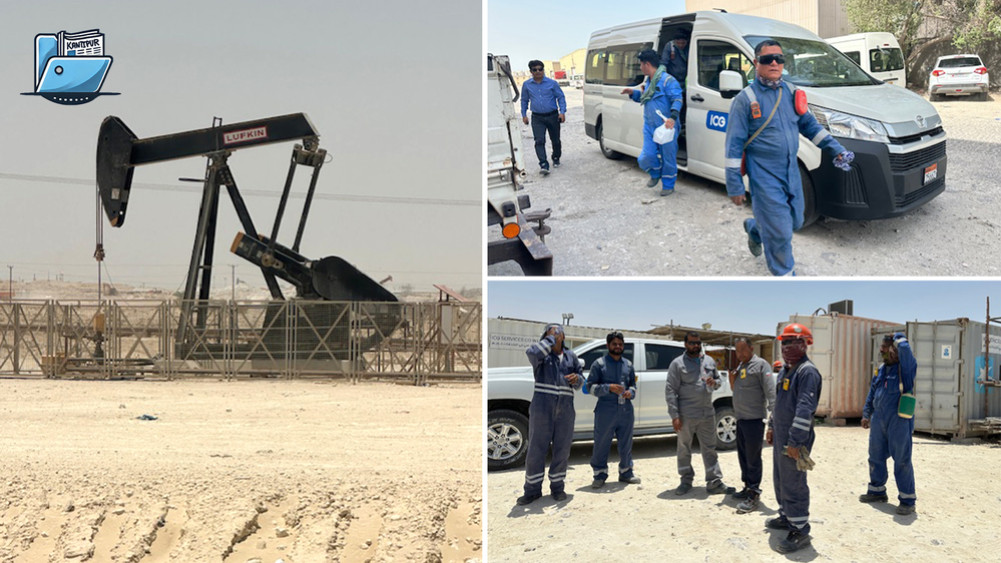
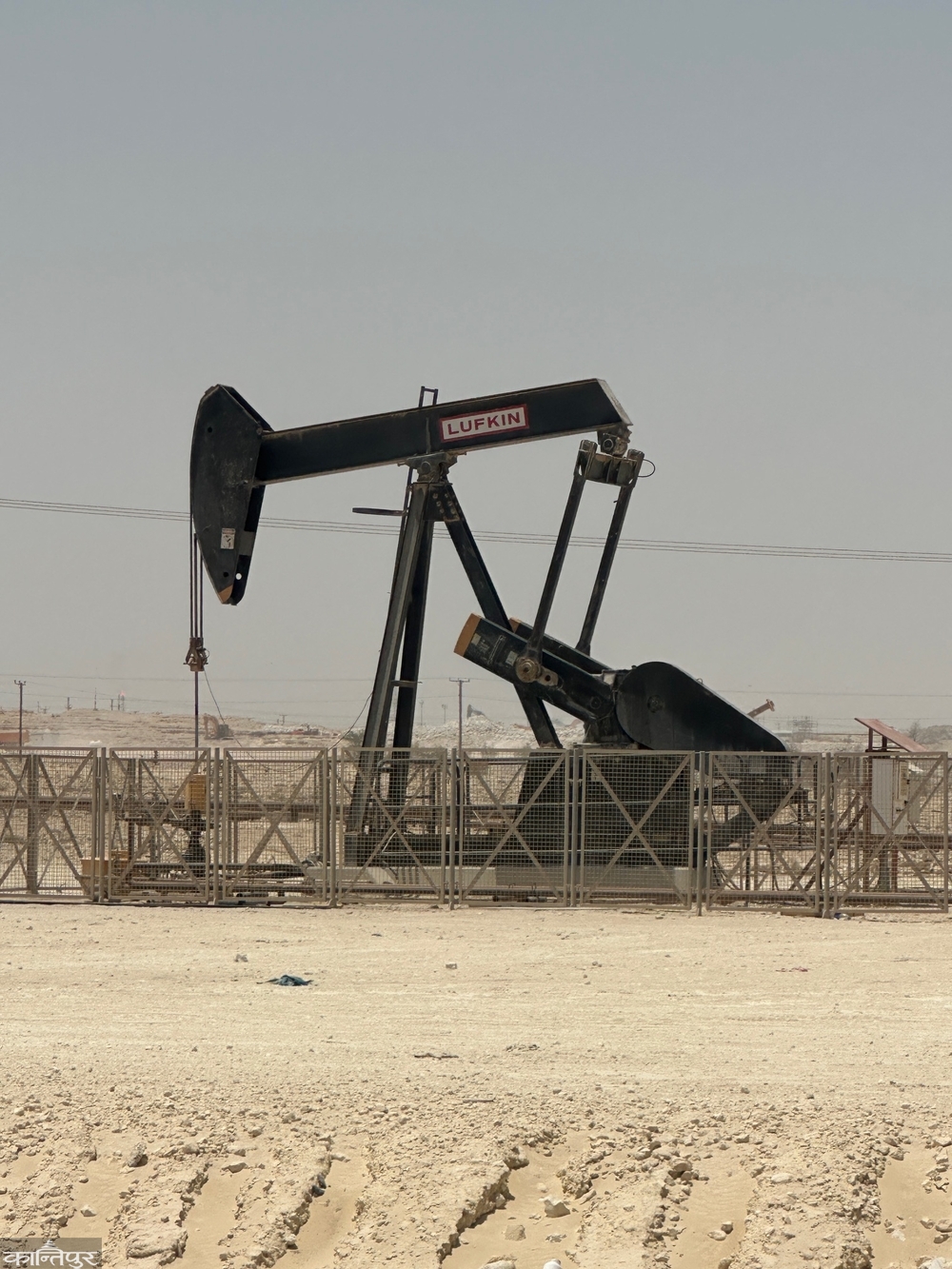
The machine (doggy pump) that draws unrefined oil from underground has not been stopped. Like a threshing paddy, the machine extracts the oil and sends it to the tank through the pipe for processing. Once the machine needs electricity to run, then it doesn't. The machine is automatic.
It takes 10 seconds for that machine to draw oil once. At this speed, the machine runs for 24 hours .
This scene can be seen in Jewel, Dukhan, about 30 kilometers away from Manma, the capital of Bahrain, where oil extraction was first started in 1931. The traditional techniques used at that time can still be seen. Along with this technology, Bahrain has also been using modern technology in oil processing.
Not only machines run 24 hours here, workers also work 24 hours .
The team including 27-year-old Lalsingh Moktan of Ishwarpur-1, Sarlahi reached Dukhan before 4 o'clock in the morning on Thursday 19 June. In Bahrain, you cannot work in direct sunlight between 11:30pm and 3am. From June to September, workers are not allowed to work during the day . The duty hours are changed . Must reach the site (workplace) at 4 am.
Lalsingh has been working as scaffolding in Bahrain Petroleum Company (WAPCO) for three years and six months. I wasn't interested in it . Then I trained in scaffolding . I got a license for scapfolding after passing an exam on safety protocol, which I need to know and understand, he said, "only then can I work in scapfolding within the oil and gas sector."
Scaffolding is also called iron work . It is considered hard work .
4 in the morning to reach the site, you have to get up at 3 and get ready.
The meeting takes place as soon as the work starts. Work is divided by who will do what and where. The supervisor assigned Lalsingh's team to open the scaffolding inside the 'confined space' (tank). Work within a confined space is classified as ``Risk Two'' in terms of hazards. On top of that, there is more 'heat stress'.
cannot be entered easily in there . Entry is permitted only after meeting security standards . 'Within a confined space all four walls are closed . There is a small hole through which people can enter . It is like entering a closed well with a cover. It is not known from where HTUs gas leaks,' he said. When the heat is excessive, problems such as fainting and numbness of limbs are seen due to heat stress . There is a fear of dying inside .'
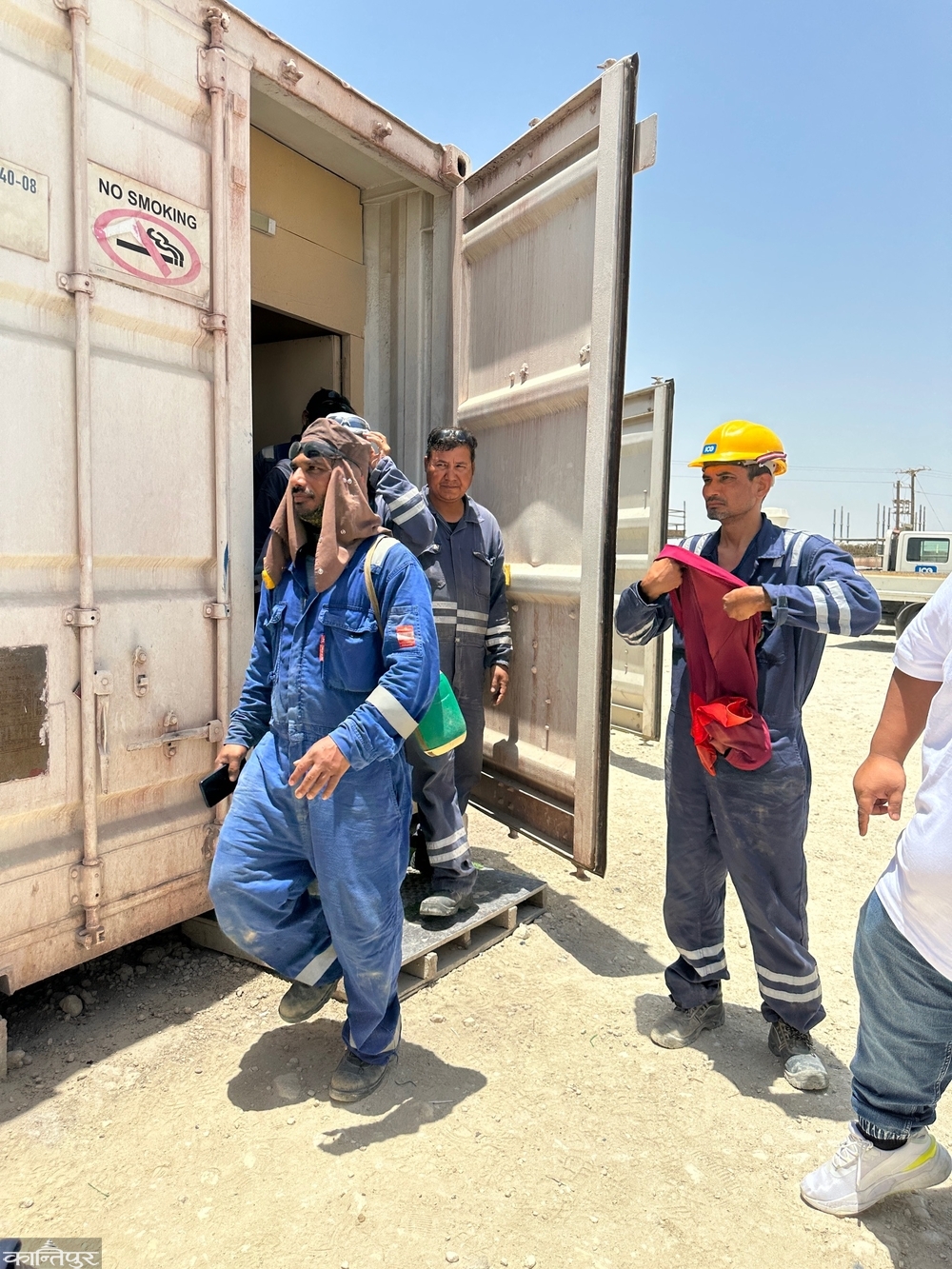
Workers carried equipment before entering the confined space. A stretcher for rescue, a multigas detector to know which gas is mixed in the air, 'Self Contained Breathing Apparatus' (Scaba) for oxygen, two oxygen cylinders, first aid kit, harness, tripod, etc. were prepared. If someone faints inside, he cannot become a hero and go to save him. First you have to ensure your own safety. For that, two oxygen cylinders must be carried,' he said, 'We carried a whistle to inform about an emergency, a harness to avoid falling and a tripod to pull people.' According to
Lalsingh, this is also a battle with gas and temperature. He said that the risk varies according to the work area.
By 6 o'clock in the morning they were ready, but had not taken the 'work permit'. No entry without a work permit. By 6 o'clock the normal temperature was gradually rising.
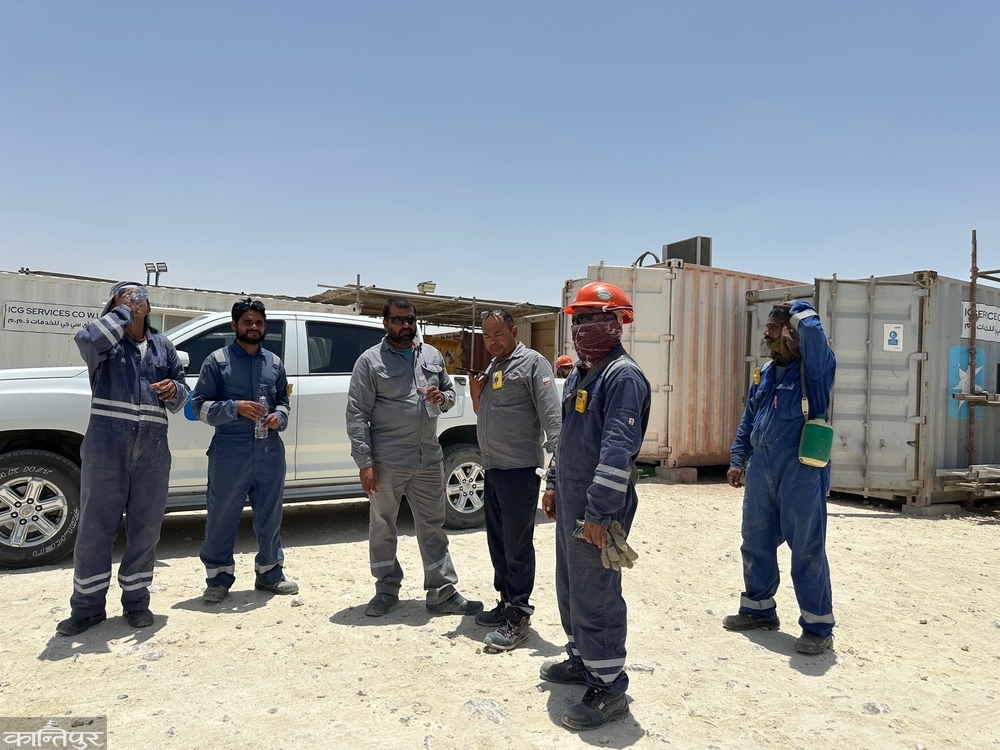
After the confined space permit was delayed, the supervisor asked the crew to open the scaffolding built on the oil receiver tank . 11 Nepalis were involved in that work. Three people started to open it, others worked to hold the pipe and put it in the car . It was 7:30 a.m. when the scaffolding was opened . Work permit came after
. The sun was shining. The socks were soaked in sweat. 9 people were appointed under the leadership of Lal Singh for the confined space. They were: Virham Limbu, Gunjaman Tamang, Krishna Bahadur Tamang, Vikas Moktan, Prakash Bohra, Mukesh Jha, Shiv Khulal, and driver Rishiraj Pant .
They reached the place considered to be the most dangerous. Lal Singh was in the role of 'Job Watcher'. Sangeet Kumar was in the role of 'permit receiver'. They tested the presence of gas in the confined space. Oxygen 20.7 ppa, carbon dioxide nil, hydrogen sulphide (HTUs) nil observed . Another was LEL gas, which was considered poisonous. It was also tested . In iron work It was necessary to find out whether there was an LEL as it could cause a fire due to splashing.
There have been cases of people dying from STUS. Testing with a gas detector inserted into the cord showed zero STs and carbon dioxide. After no gas leakage was found, it was decided to enter and stay outside .
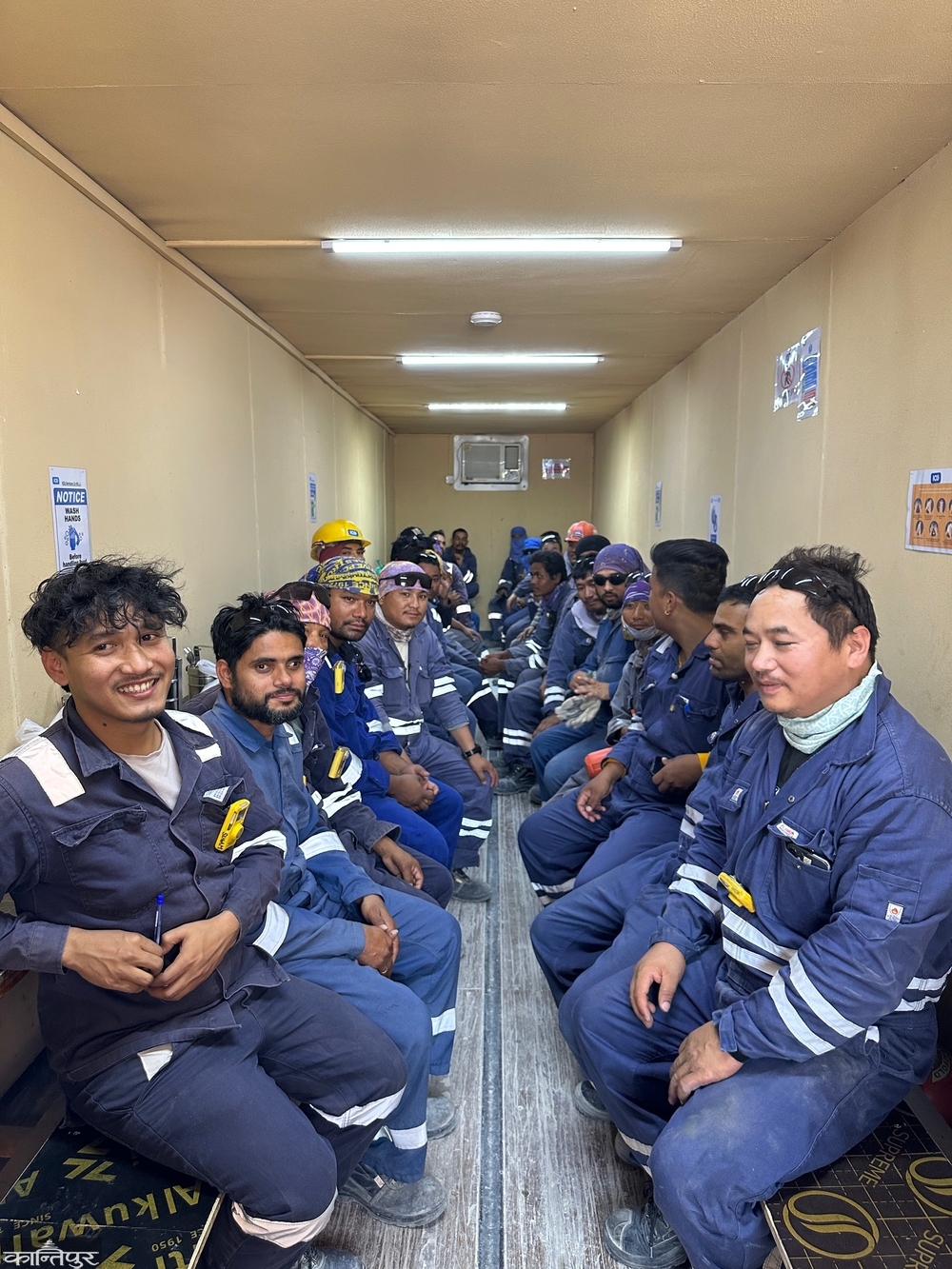
Virham Limbu, Gunjaman Tamang, Krishna Bahadur Tamang, and Vikas Moktan entered . In preparation for the rescue, Prakash Bohra, Mukesh Jha, Shiv Khulal remained ready outside. Driver Pant was waiting in the car.
was to open the structure of the scaffolding made within the confined space . They put on harnesses and started going inside one by one so as not to fall to the ground. Lalsingh was reminding his friends to report immediately as soon as he felt weak. Inside, the process of opening the scaffolding was starting, the supervisor of the WAPCO company arrived and asked for a 'work permit'.
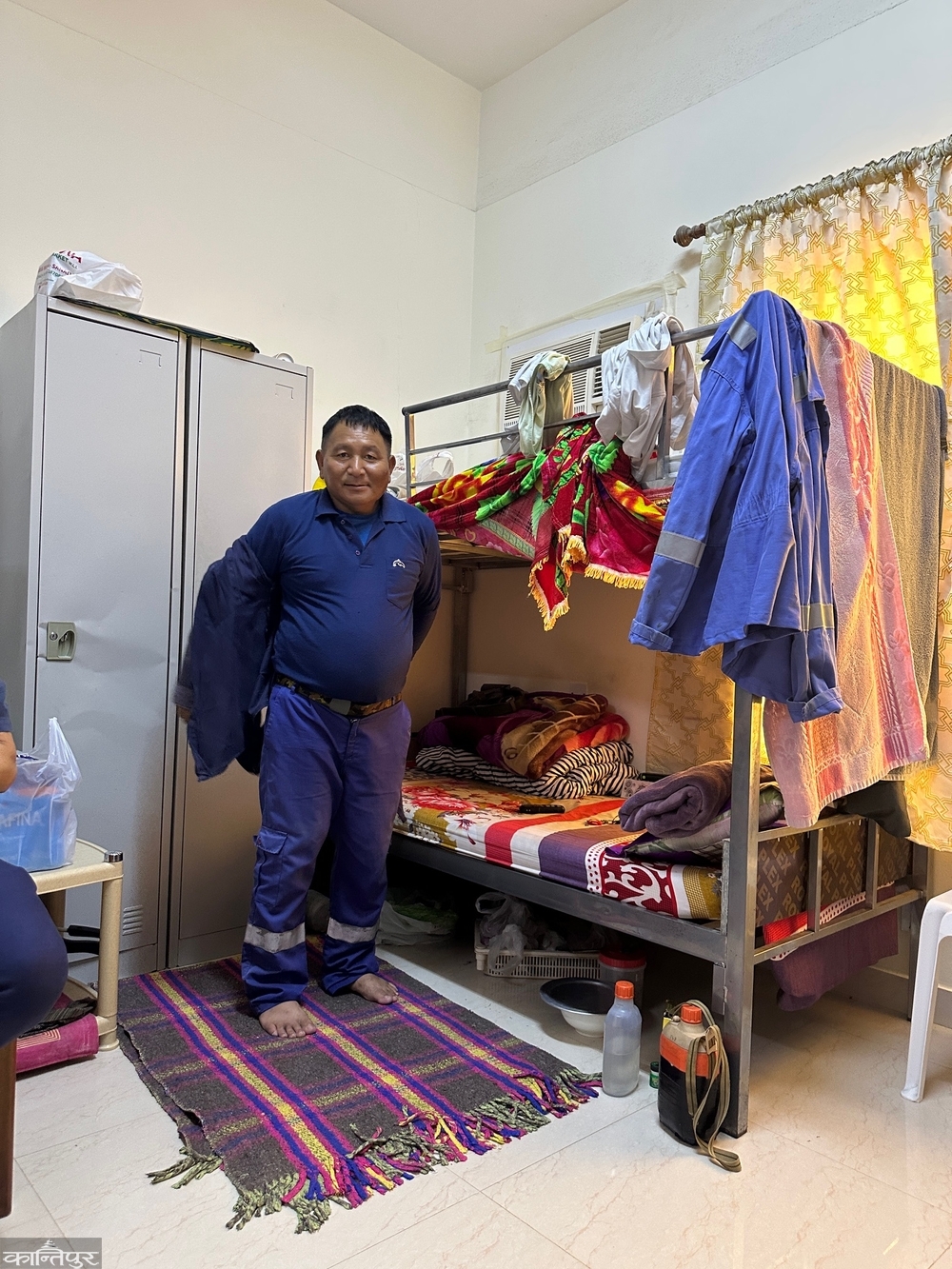
But, he didn't let the work go ahead . It remains to change the valve in there . A 5-inch valve was installed instead of a three-inch valve. The supervisor came saying that the pressure was not enough to draw the oil . The four people who were working inside were called outside. Now the work of Lalsinghs stopped until the valve was changed .
was at 8:30 at that time . They went to the sun shade built nearby and started to rest . That place is also a place where workers gather. A water jar of 25-25 liters was placed there . The rule is to drink a glass every 15-15 minutes after the heat rises. However, it does not seem to be followed by most of them . In the morning, hot air was blowing along with the heat . Sand particles are mixed in the wind blowing across the open desert. The hot sun on one side and the air mixed with dust on the other side made it difficult to sit comfortably. Those who brought food went to eat inside the car. Most of them brought bread and vegetables.
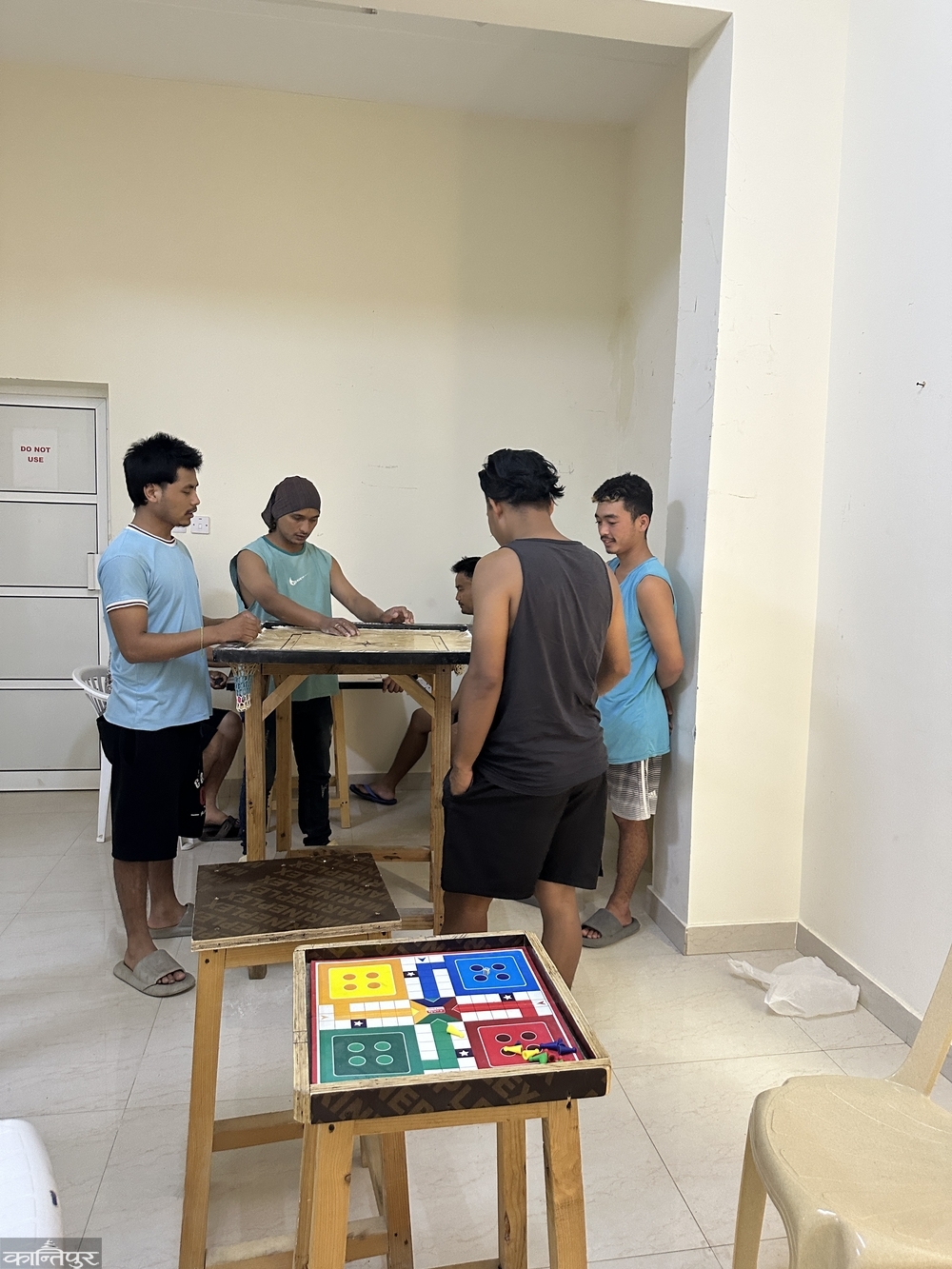
Within an hour another team replaced the valve . Their turn has come. Gas was tested again at the time of entry. After all the situation is normal again enter . Lalsingh was sitting at the entrance hole from the tank and looking down . He was interrogating by walkie-talkie. They were taking out the scaffolding that was being opened . They were telling us not to drink water there. It is risky to drink water inside. "HTS gas comes mixed with water," he said.
It was three times hotter inside than outside . The risk of collapsing due to excessive sweating was high . Around 10 o'clock, another team arrived. They told me to re-attach the opened scaffolding saying that the firm will be missing in the pipe . "We can't." Since morning our work is being interrupted . Tell our supervisor,' when watcher Lalsingh told the team . The
team called the supervisor and requested . After the supervisor's instructions, Lal Singh's team started to attach the opened scaffolding again . Then came out again and started to rest . The other team left after 15 minutes. All four of them entered again. They carefully unfolded the scaffolding . It took an hour to open everything . Then everyone took out the iron rods and came out. 9 people together loaded the car. Checked to see if the item was left .
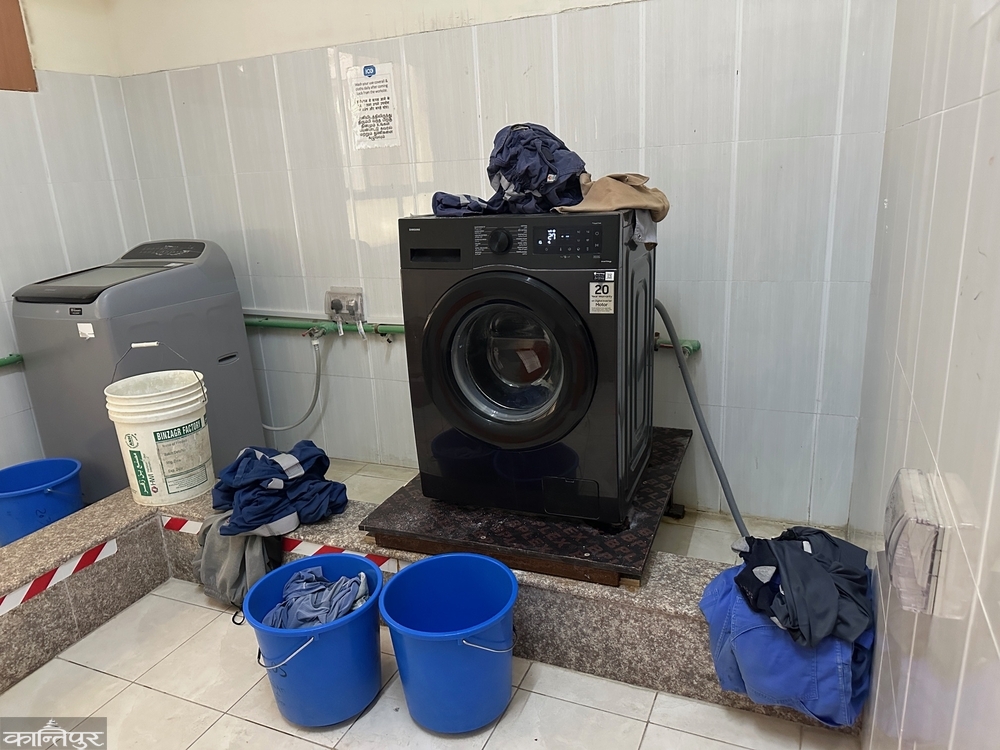
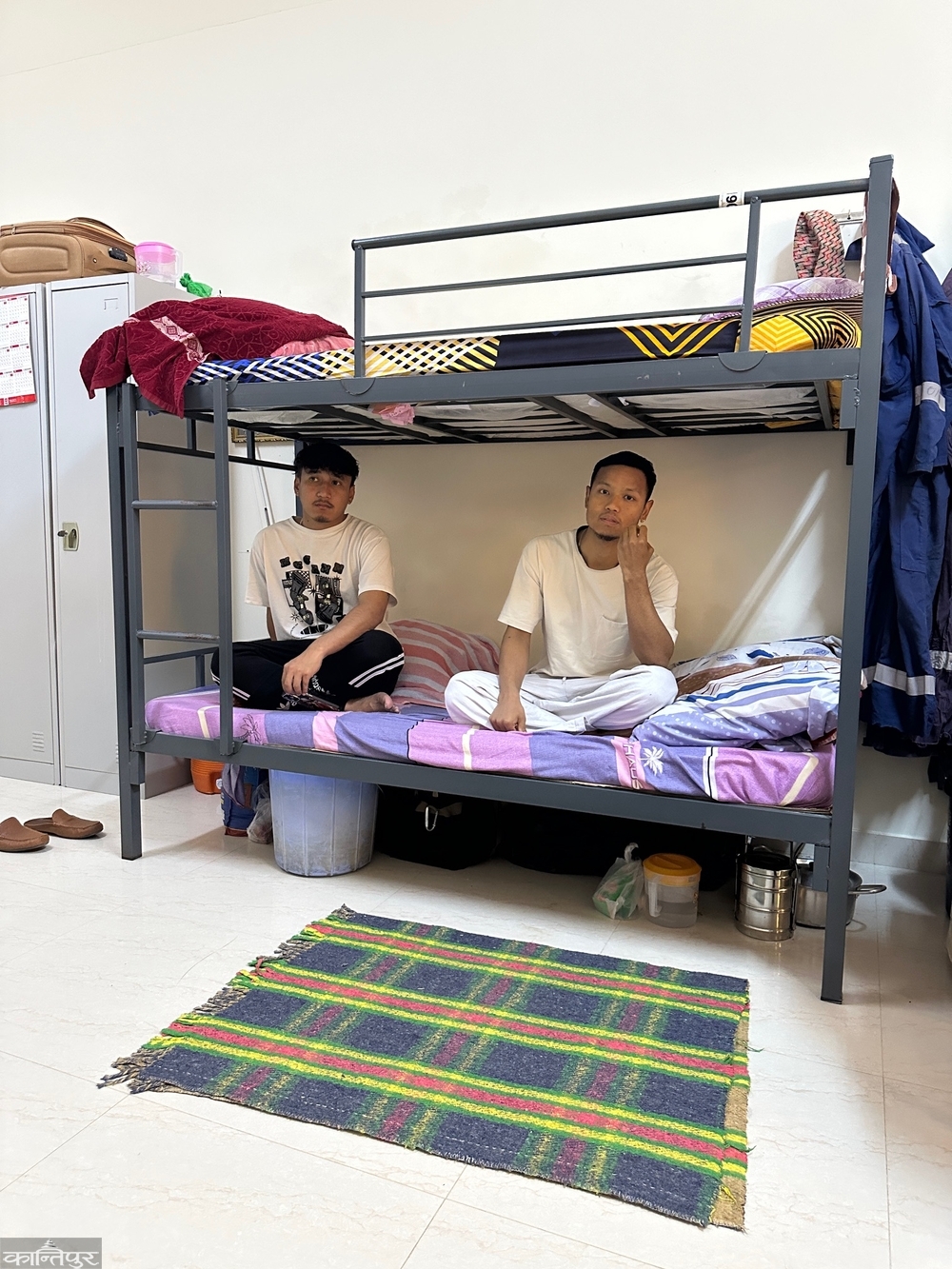
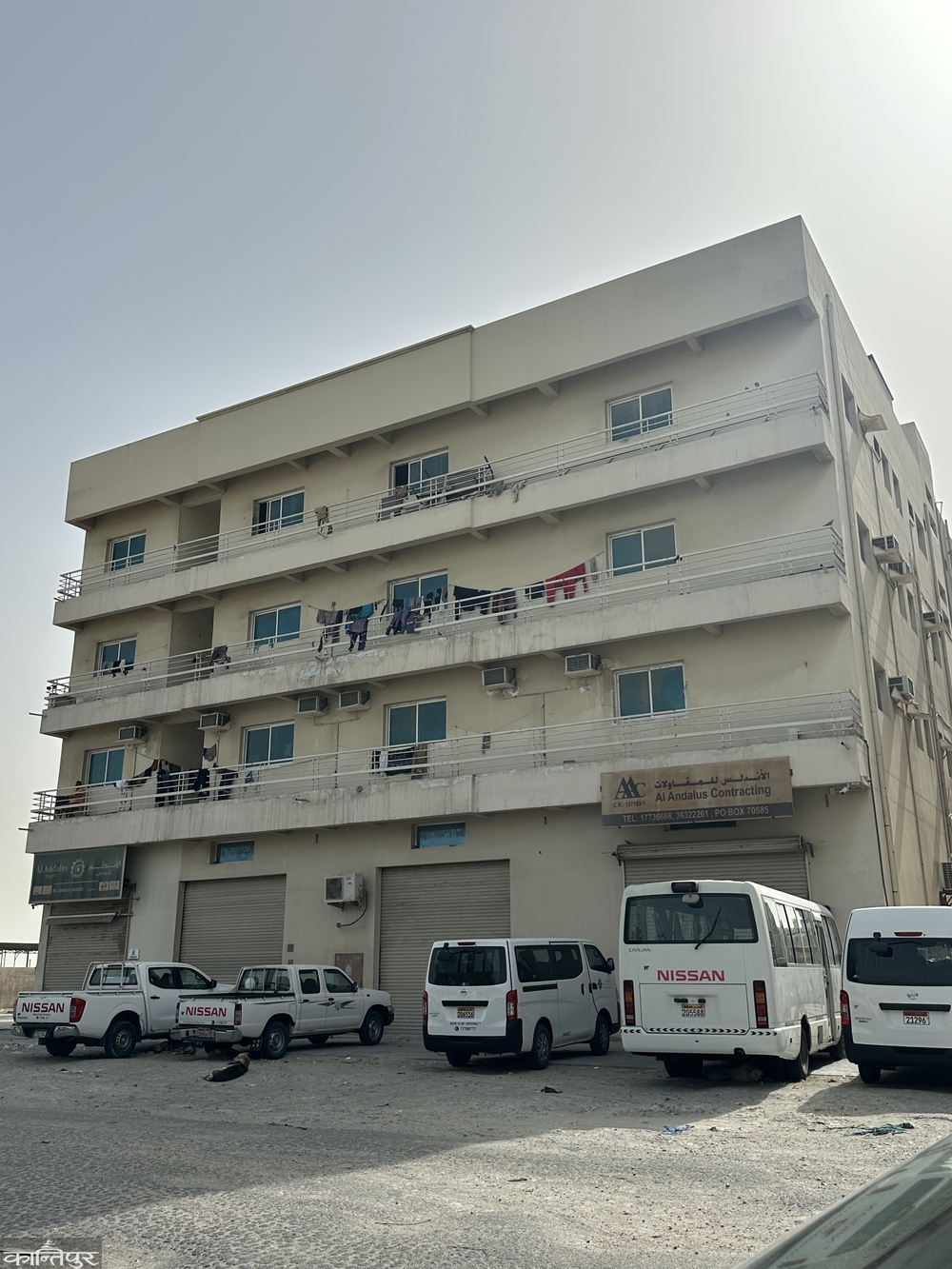
It was already 12 o'clock when the lid of the confined space was closed. They then returned to the camp. From June to September, we don't have a break between duties. There is no separate time for meals. We will eat when we have free time,' said Lalsingh, 'Now we will go to the camp and cook and eat.' In this way, there are more than three thousand Nepali workers working in scaffolding within the WAPCO project. Why am I playing with life? I am earning by betting my life," said Lalsingh, "This is all for the family . There are parents who cannot speak in the village. We two brothers are lucky . Our speech is broken . This risky job is the daily livelihood of my parents. This is what I am happy about.'