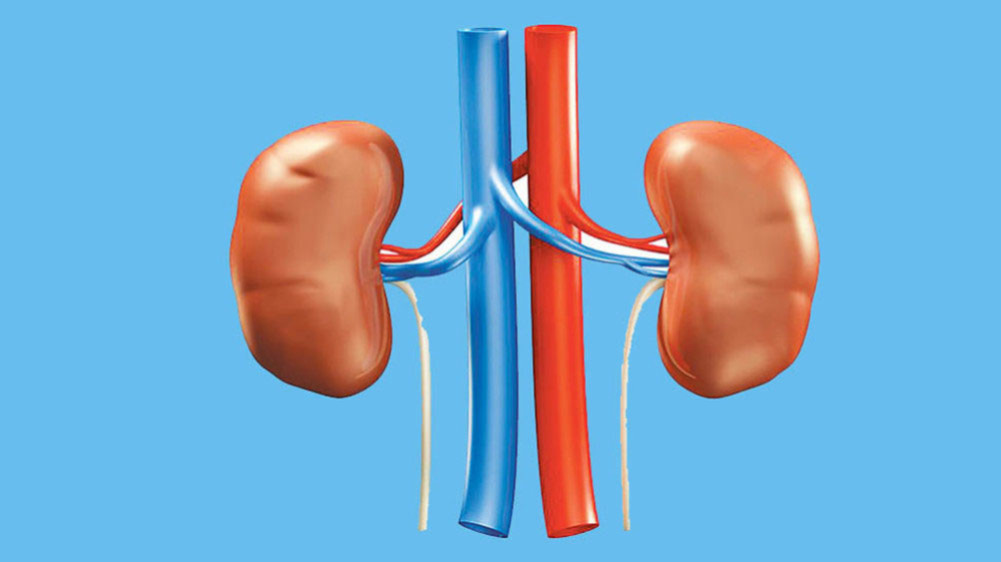
About one-third of the patients with kidney failure in Nepal are workers who have returned from foreign employment. Kidney transplantation is the best solution for kidney failure. After a successful transplant, patients can return to a normal life and play an active role in society again.
We use Google Cloud Translation Services. Google requires we provide the following disclaimer relating to use of this service:
This service may contain translations powered by Google. Google disclaims all warranties related to the translations, expressed or implied, including any warranties of accuracy, reliability, and any implied warranties of merchantability, fitness for a particular purpose, and noninfringement.
The message of World Kidney Day 2026 is relevant and important – Kidneys for All – Caring for People, Protecting the Planet. This year’s theme reminds us – Kidney health is not just about diseases like diabetes or high blood pressure. It is also deeply connected to our environment, climate change and working conditions.
‘Treatment of kidney disease in Nepal, especially the development of transplant services’ is our theme this year. It is directly related to the national reality. Around 850 million people worldwide are estimated to suffer from chronic kidney disease, of which around 4.6 million patients are dependent on dialysis or transplantation. Around 1.5 million deaths occur annually due to chronic kidney disease. This figure means that one person dies every 20 seconds. And, by 2050, chronic kidney disease is set to become the third leading cause of death.
The increasing burden of kidney disease in Nepal
The number of patients with chronic kidney disease is continuously increasing in Nepal. While diabetes and high blood pressure are the main causes, we are seeing another worrying trend – proteinuria. It is estimated that more than 3 million people in the country have kidney problems, and about 3,000 are believed to suffer from kidney failure every year. Kidney failure is even more common among workers who have gone for foreign employment.
According to research conducted by Pankitkar at the ‘Shahid Dharmabhakta National Transplant Center’, about one-third of the patients who have come for treatment with kidney failure in Nepal are workers who have returned from foreign employment. This is a very serious statistic.
Until the establishment of the center in 2013, more than 90 percent of those with kidney failure in the country would die within a few months. On Bhadra 23, 2082, the day of the Gen-G movement, a special ceremony was organized to mark the 13th anniversary of the establishment of the National Transplant Center, which has transplanted 1,500 kidneys and 35 livers. It is considered a historic success to have so many transplants in a short period of time in a government institution of the country, which is a matter of national pride. The center has performed an average of 200 transplants annually. Not only does the center perform two-thirds of the country's transplants, but it also has a history of a success rate of 99 percent.
It has been established as a center of excellence by performing the first liver transplant in Nepal, kidney transplants of four living people in a single day, and kidney and liver transplants from brain-dead people, kidney and liver transplants from brain-dead people in the same person, and the third successful kidney transplant in the same person.
The center's doctors, nurses and all other staff are making tireless contributions to achieving this success. Despite the ability to serve many times more than the achievements of the center, the center could not be expanded due to the cynical mentality of the then political leadership. And, many Nepali brothers and sisters have been forced to be deprived of services.
Effects of heat and kidney damage
According to a study conducted by this columnist at the National Transplant Center, 56.25 percent of the 217 workers who returned from abroad had returned from the Gulf countries, of which two-thirds had worked in temperatures above 40 percent. More than 755 had worked for more than 10 hours a day. Interestingly, 78.15 percent had drunk less than 2 liters of water a day. They were mostly involved in jobs such as security guards, construction workers, garden workers, and beach patrols. Working in the hot sun for long periods, not being able to drink enough water, lack of rest, and lack of regular health check-ups seriously affect their kidneys.
Environmental pollution and kidney health
Not only heat, but also air pollution, contaminated water, chemicals, pesticides and heavy metals (such as cadmium, lead, mercury and particulate matter) are harmful to the kidneys. Pollution can damage the kidneys by increasing chronic inflammation and blood pressure in the body.
Kidney treatment and environmental responsibility
Kidney disease treatment is also a serious issue in terms of resources. Dialysis is a life-saving treatment, but it requires large amounts of pure water, electricity, plastic materials and pharmaceutical materials. This also produces a lot of organic waste and increases environmental pollution. Water-saving dialysis technology, energy-efficient hospital systems and responsible waste management are the needs of today.
Kidney transplant: a long-term solution
Kidney transplant is the best solution for kidney failure. After a successful transplant, patients can lead a normal life and play an active role in society again. Not only will their standard of living be higher, but their families will also be happier and more prosperous.
Conclusion
Let us all reflect on the message of World Kidney Day 2026:
– Let us be aware of climate change.
– Let us protect clean water and clean air.
– Let us emphasize the health security of foreign workers.
– Let us develop sustainable and environmentally friendly health.