Within the lush green forest, work is currently underway to conserve and expand valuable herbs and medicinal plants, including Padmachal, Chiraito, Tejpat, Pakhanved, Majito, Lemongrass, Forest Garlic, Large Okhati, Sugandhit, Boketimur, Lodhsalla, and Yellow Lehara.
We use Google Cloud Translation Services. Google requires we provide the following disclaimer relating to use of this service:
This service may contain translations powered by Google. Google disclaims all warranties related to the translations, expressed or implied, including any warranties of accuracy, reliability, and any implied warranties of merchantability, fitness for a particular purpose, and noninfringement.
Jautar Community Forest located in Pakhribas Municipality-3 has recently been developing as a new center for herb conservation, biodiversity promotion and ecotourism.
This forest, known for its forest feast and natural beauty, has now been developed with the aim of establishing it as a 'gene bank' of medicinal plants and an eco-zone, said Bir Bahadur Titung, Chairman of Jautar Community Forest.
Titung said that work is currently underway to conserve and expand valuable herbs and medicinal plants including Padamachal, Chiraito, Tejpat, Pakhanved, Majito, Lemongrass, Banalsun, Thulo Okhati, Sugandhit, Boketimur, Lodhsalla and Pahenlo Lehara within the forest, which is covered in greenery. These plants are considered useful from local treatment methods to the modern pharmaceutical industry.
The Jautar Community Forest Users Group has declared 'Block No. 2' of the forest as a special herb conservation area. Collection of grass and firewood, picking herbs, or any activity that affects the vegetation is prohibited in the area. He said that the Forest Management Committee has focused on the long-term conservation of rare and endangered plants, prioritizing conservation.
According to Bir Bahadur Titung, Chairman of the Community Forest Management Committee, the plan is to develop the forest area as a model center for study, research, biodiversity observation, and ecotourism, not just for greenery conservation. 'We are developing this area as an eco-zone. The aim is for those who come here to recognize herbs, understand their usefulness, and enjoy the natural environment,' he said. 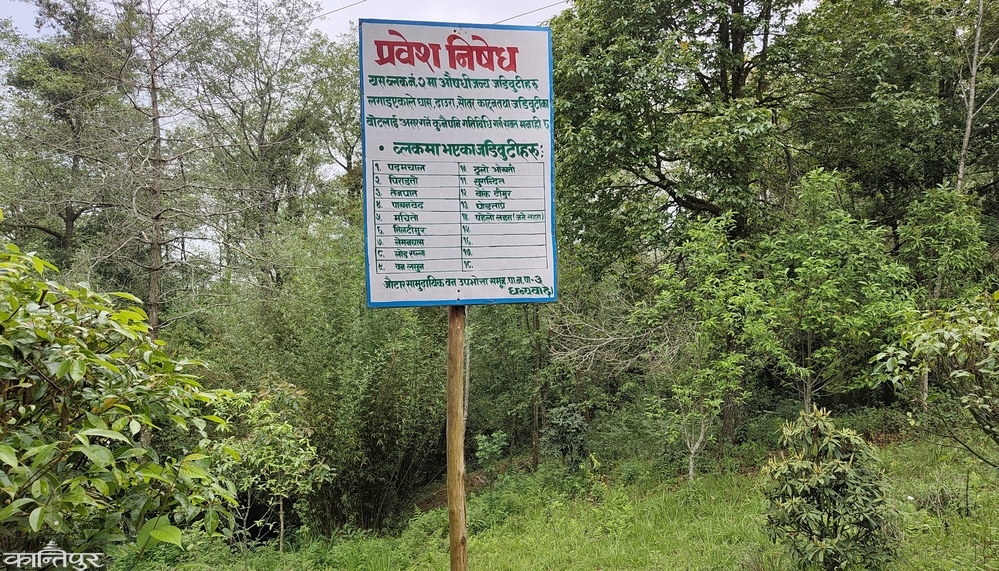
Along with the conservation of medicinal plants, quality seed production is also being carried out within the forest. A seed production project has been launched by planting Patula pine trees in an area of about two and a half hectares. The Ministry of Forests and Environment has been using the area for research and seed production purposes since 2079 BS.
The forest area has been divided into various parts for systematic management. A conservation pond, playground, community building area, sample testing area, Majito planting area, Amliso cultivation area and Chiraito conservation area have been allocated. This has made forest management systematic and has also made it easier for visitors to come for study and observation.
The forest area is being developed not only as a herb conservation area but also as an attractive forest feast destination. Plans have been made to build a community building, rest area, cooking area, hiking trail and viewing center. There are also preparations to put up an information board within the forest to provide information about the introduction, utility and conservation status of herbs, which is expected to make it an 'open natural museum'. 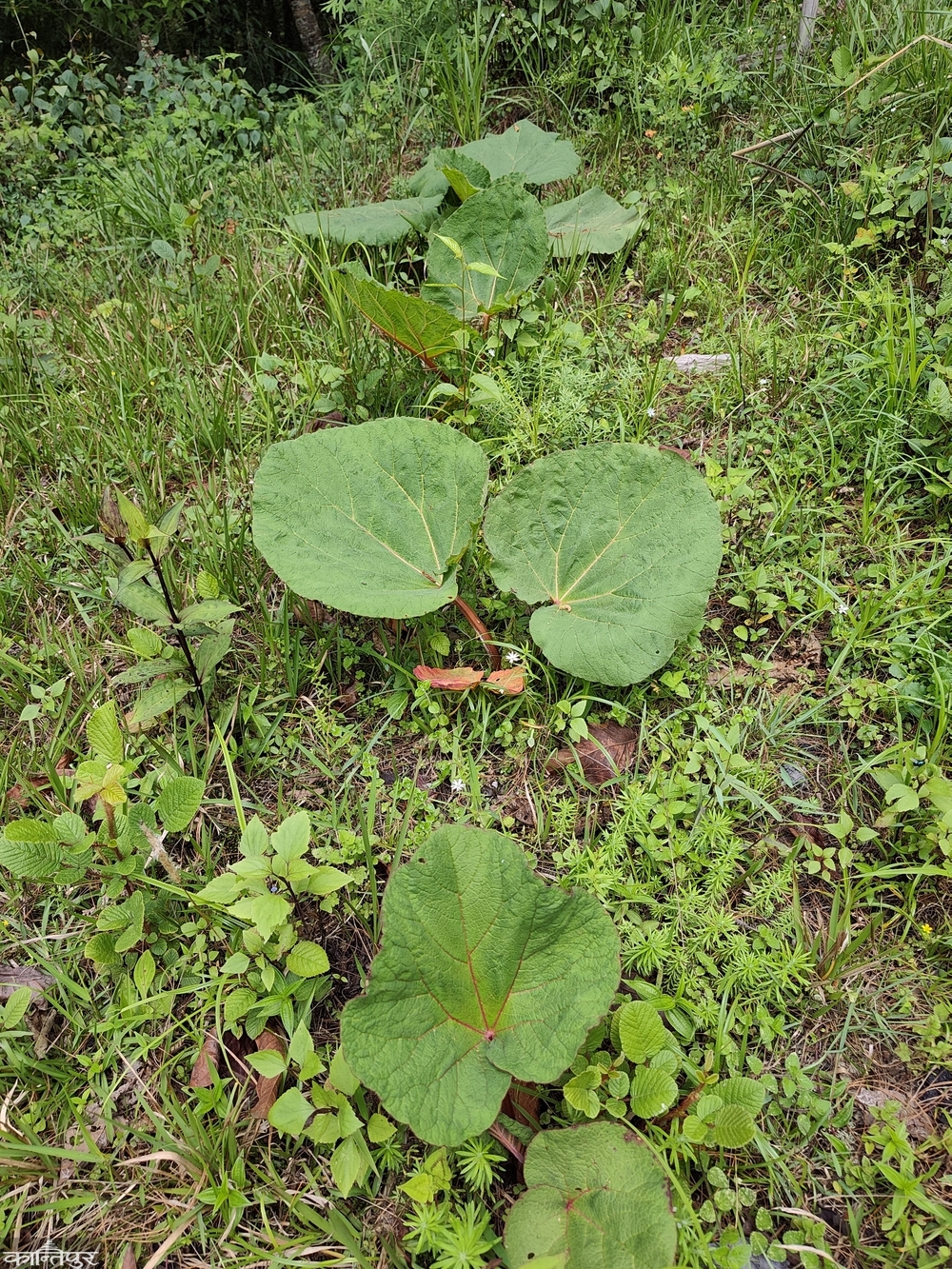
Located about three kilometers from Hile Bazaar in Dhankuta Municipality-1, this forest is visited by employees, students, forest users and the general public every day for study tours and forest feasts. Separate fees have also been determined for different groups of forest users, the collected amount of which is spent on forest conservation and infrastructure development.
Locals and visitors say that some infrastructure improvements are still needed. According to Rajeshwor Bahadur Shrestha of Dhankuta, since the roads become muddy during the rainy season, transportation access should be made easier. 'If the management of roads, drinking water and rest areas can be improved, this area can become the best eco-tourism destination in the district,' he said. According to him, if information boards are placed in the herbal gene bank area mentioning the name, utility and characteristics of each plant, it will be more useful for educational tours.
Many medicinal plants found in Nepal are becoming endangered due to uncontrolled collection, deforestation and climate change. In such a situation, the efforts to conserve herbs and build a gene bank at the community level are believed to make a significant contribution to preserving biodiversity, said Gyan Bahadur Gurung, the mayor of Pakhribas Municipality.
The Jautar Community Forest, which encompasses natural heritage, rare herbs, a peaceful environment and the potential for eco-tourism, is now being developed as a model eco-zone that combines conservation and tourism, not just a forest picnic spot.

