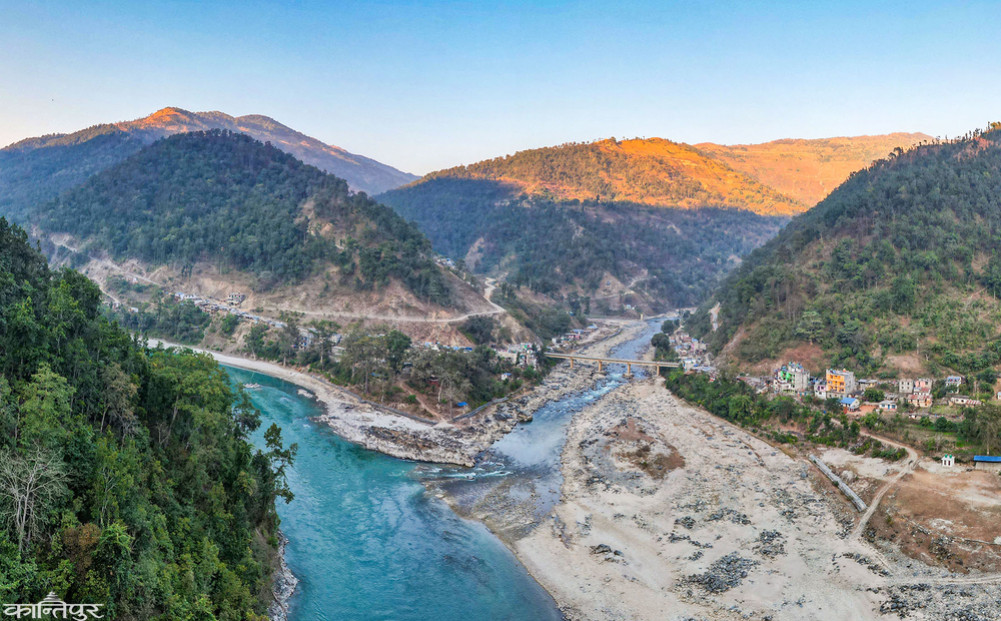
Although it was not my first time to travel to Panchakoshi, this time the journey was different from my heart. My heart was filled with joy in a strange way as I made the pilgrimage with my family.
We use Google Cloud Translation Services. Google requires we provide the following disclaimer relating to use of this service:
This service may contain translations powered by Google. Google disclaims all warranties related to the translations, expressed or implied, including any warranties of accuracy, reliability, and any implied warranties of merchantability, fitness for a particular purpose, and noninfringement.
Dailekh is the center of Khas civilization, Shaiva tradition and ancient faith. The Panchakoshi pilgrimage site located in the lap of this district is not only a religious destination, but also a journey of spiritual peace and understanding of life. Each place under Panchakoshi is considered to be related to different parts of Lord Shiva. This journey with my family became a memorable chapter of my life.
Sometimes, when we were having family conversations at home, my father (Prem Bahadur Thapa) would remember taking his parents on a pilgrimage to Panchakoshi. He would say, ‘If you can, taking them to Kashi, if you can’t, taking your parents to Panchakoshi is as virtuous as Kashi.’
As my father talked about this, a deep desire was growing in my heart to one day go on a pilgrimage to Panchakoshi with my parents. Just when I thought that desire would remain confined to my heart, by chance, the opportunity arose to go on a pilgrimage to Panchakoshi with my father, mother, brother, aunt, and great-grandmother in the last week of the month of Mangsir.
It was around seven in the morning. When I left home, I was excited about a religious journey, that too with my family. The feeling of walking with my father, mother, brother, and great-grandmother was different. While traveling from Dailekh headquarters to Panchkoshi via the mid-hill road, the lush forests, traditional settlements, and the Kholsakhalsi were making the journey even more beautiful. Although it was not my first time to travel to Panchkoshi, this time the journey was different from my heart. My heart was unusually happy while traveling with my family.
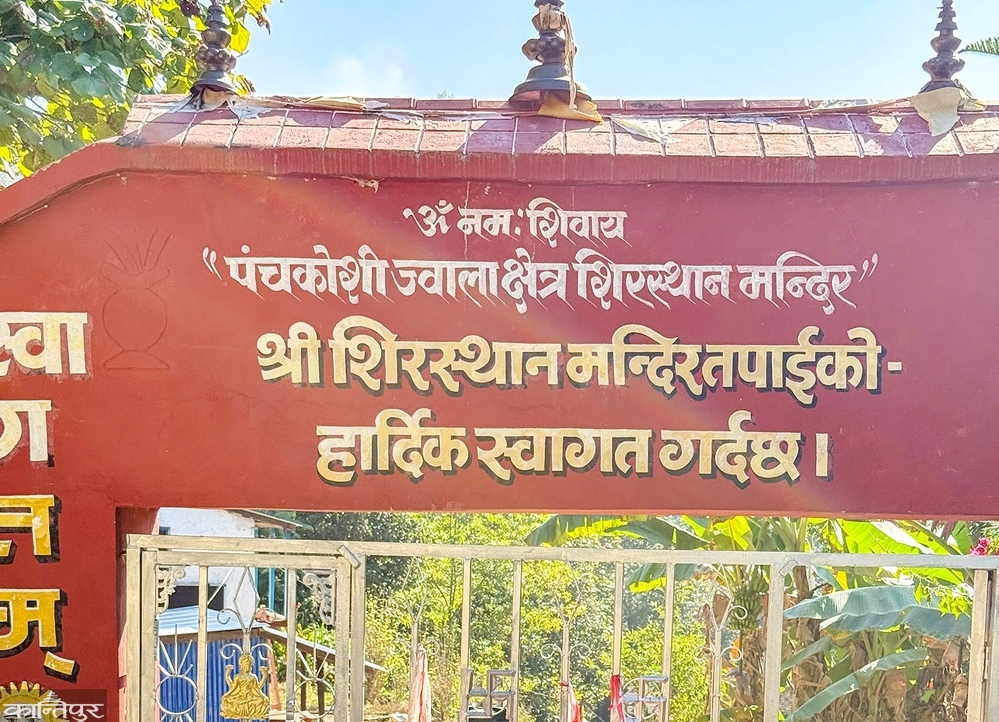
During the journey, my father sometimes looked very excited, and sometimes suddenly serious. Even though that seriousness was not expressed in words, we all felt it. Whenever he would immerse himself in the memory of taking his parents to the Panchkoshi pilgrimage, the shadow of emotion was clearly visible on his face.
Those silent moments of his taught me a lot, that pilgrimage is not just a temple visit, it is a journey of memory, duty, gratitude, and generational transmission. The beginning of Panchakoshi pilgrimage While going to Shirasthan Darshan, my father said, ‘In the month of Push in 2026, I took my parents to Panchakoshi pilgrimage. At that time, it took almost a week to complete the Panchakoshi pilgrimage. But today we are doing the Panchakoshi pilgrimage in one day.’
Panchakoshi Shirasthan, Nabhisthan, Dhuleshwar, Siddheshwar Mahadev (Lower Dugenshwar), when we reached all these places, it was not just worship, but a deep dialogue continued in my mind. This Panchakoshi pilgrimage became an unforgettable chapter in my life. This journey was not just a religious ritual, it was a journey of remembrance of my father, devotion to my grandparents, and intimacy between the family.

Introduction and religious significance of Panchakoshi pilgrimage area
Panchakoshi pilgrimage area is a collection of five major religious places in Dailekh district. ‘Panch’ means five and ‘Koshi’ means pilgrimage site. According to Hindu religious beliefs, it is believed that visiting and bathing in these five places will destroy the sins of life and achieve salvation.
Major sites under Panchakoshi
Shirsthan
Shirsthan is the main and initial site of the Panchakoshi pilgrimage. According to religious beliefs, it is believed that the head of Lord Shiva is located here. This is why there is a tradition of starting the Panchakoshi pilgrimage from Shirsthan. Naturally peaceful and surrounded by greenery, this place is a center of spiritual experience. Special worship is performed here during Shivaratri, the month of Shravan and the Panchakoshi pilgrimage. Shirsthan is also considered a place of ancestral liberation. This pilgrimage site, which is important from a religious, historical and cultural point of view, has strengthened the religious identity of Dailekh.
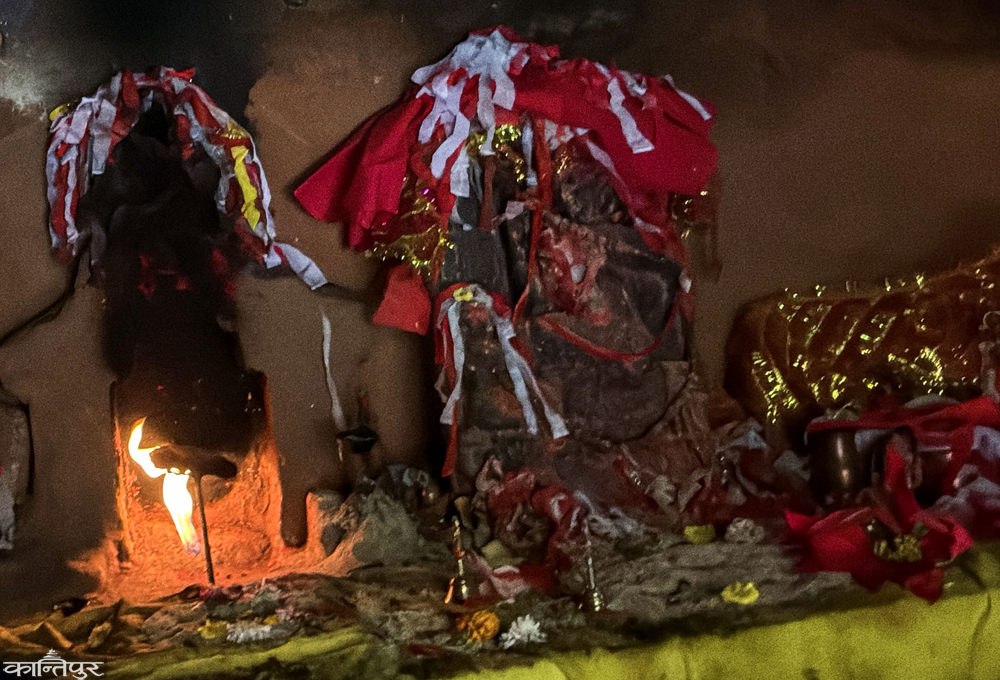
Nabhisthan
Nabhisthan Panchakoshi Tirtha is considered a sacred place where Lord Shiva's navel (navel) is located. After Shirsthan, it is a tradition to visit Nabhisthan as the second major destination of the Panchakoshi Yatra. The peaceful environment, natural beauty and spiritual energy are the specialties of this place. Here, devotees worship by offering water, flowers and bel leaves.
Devotees flock here throughout the year due to the belief that ancestral deeds and wishes will be fulfilled. Nabhisthan is also a symbol of the cultural heritage of Dailekh along with religious faith.
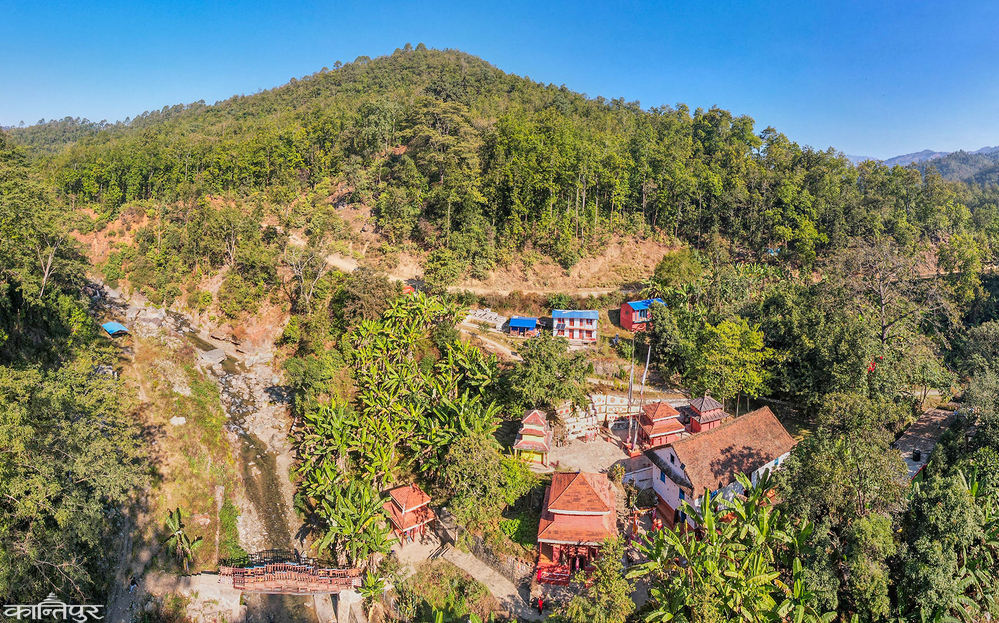
Dhuleshwar
Dhuleshwar Panchakoshi Tirtha is a tradition to visit Dhuleshwar as the third leg of the Panchakoshi Yatra after Shirsthan and Nabhisthan. This place is naturally peaceful and full of spiritual atmosphere and is located a little higher than the settlement. Dhuleshwar is especially crowded with devotees during Shivaratri, Shravan month and Panchakoshi Yatra. It is believed that the worship performed here will bring peace of mind and cure diseases.
Paduka Sthan
Paduka Sthan is an important religious site under the Panchakoshi Yatra. According to religious beliefs, it is believed that the Paduka, or footprint, of Lord Shiva is located here. It is a tradition to visit this place as the fourth destination of the Panchakoshi Yatra after Shirasthan, Navishthan and Dhuleshwar. This place, filled with a peaceful and holy atmosphere, is a center of deep faith for devotees. It is believed that visiting here will make the journey successful and fulfill your wishes.
A significant presence of devotees is seen here during special festivals, Shivaratri and Panchakoshi Yatra. Paduka Sthan is considered very important from a religious and cultural point of view.
Siddheshwar Mahadev (Lower Dhugeshwar)
Siddheshwar Mahadev, also known as Lower Dhugeshwar, located at the confluence of the Karnali River and Lohore Khola, is the last and most sacred place under the Panchakoshi pilgrimage in Dailekh district. According to religious belief, the feet of Lord Shiva are believed to be located here.
After the Paduka place, the Panchakoshi pilgrimage is completed by visiting this place. This temple, which is naturally peaceful and full of spiritual energy, is the center of faith of devotees. Special worship is performed here during Shivaratri, the month of Shravan and the Panchakoshi pilgrimage. It is believed that after visiting Siddheshwar Mahadev, the pilgrimage feels complete.
The Panchakoshi pilgrimage area is a very important place from a religious and cultural point of view in western Nepal. Devotees come here especially to visit the Panchakoshi temple. Not only the religious significance, but the natural beauty, greenery and peaceful environment of this area also attract tourists. Panchkoshi visit also provides an opportunity to study local customs and traditions along with a spiritual experience.
But at present, the infrastructure of this area is not fully developed. The road structure is often difficult, making it difficult for travelers to reach easily. This not only affects religious pilgrimages, but also hinders the attraction of external tourists. The lack of adequate information boards makes it difficult for tourists and devotees to understand the historical and religious significance of the route and the pilgrimage site.
The condition of rest areas and sanitation also needs improvement. Pilgrims expect rest after a long journey. Adequate rest areas, cold water and clean toilets are essential. Sanitation not only ensures health and convenience, it also beautifies the religious atmosphere of the pilgrimage site.
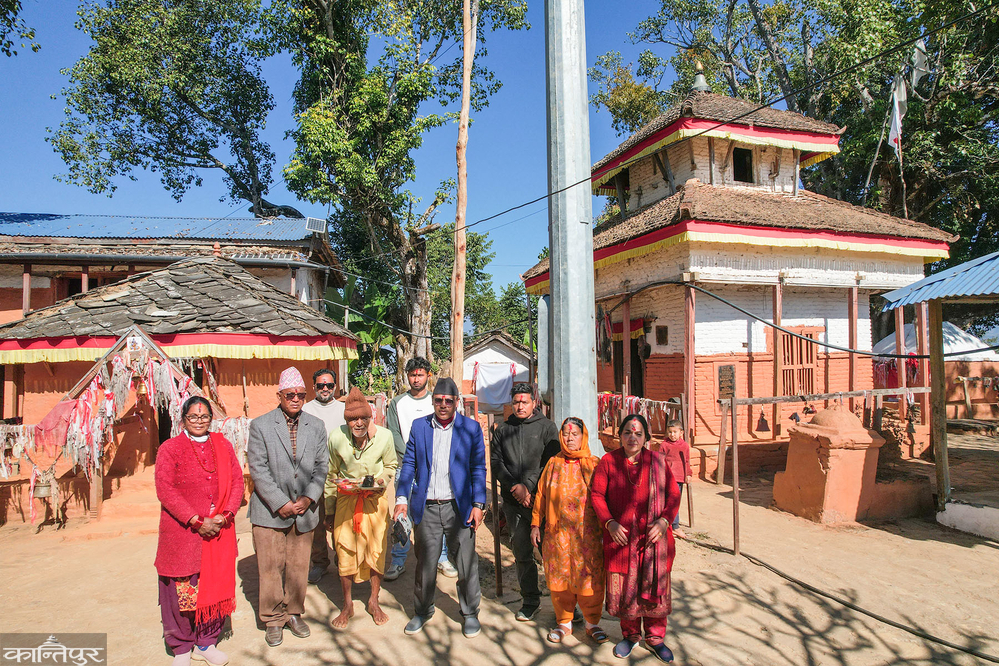
If these basic infrastructures are improved, the Panchkoshi region can become very effective in promoting internal and external religious tourism. This will not only contribute positively to the local economy, but will also play an important role in the preservation and promotion of regional cultural heritage.
The Panchkoshi pilgrimage region is a destination with great potential in terms of religious tourism. If this place is developed with attention to road improvements, information boards, rest areas and cleanliness, it will not only improve the experience of devotees and tourists, but will also contribute significantly to the cultural identity of the region and tourism income.